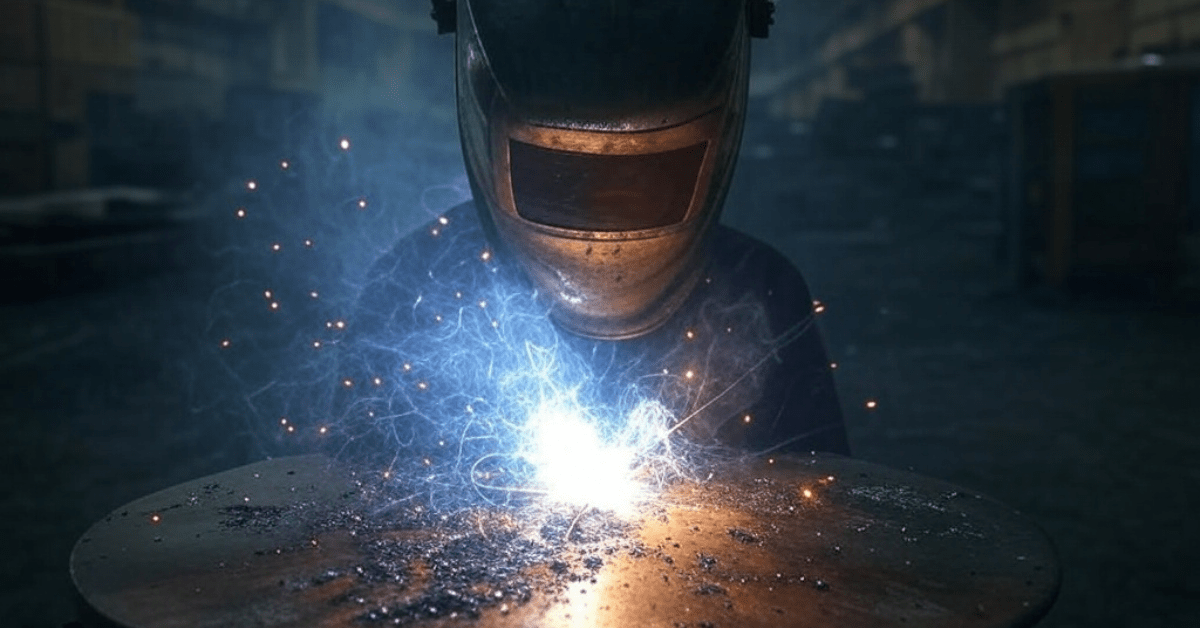
Welding joins metals through fusion processes creating continuous material connections in fabricated structures, pressure vessels, piping, and equipment. Welding is fundamental to metal fabrication, with weld quality determining equipment integrity and reliability. Common processes include SMAW (stick welding), GMAW (MIG), GTAW (TIG), FCAW (flux-cored), and SAW (submerged arc), each offering advantages for specific applications. Process selection depends on material, thickness, position, quality requirements, and productivity needs.
Quality welding requires qualified procedures per ASME Section IX or AWS codes, certified welders demonstrating competence, appropriate equipment and consumables, systematic quality control, and comprehensive inspection and testing. For code fabrication, procedure qualification records (PQRs) document acceptable properties while welder performance qualifications verify skills. Welding challenges include diverse materials requiring specific procedures, thick sections demanding multiple passes, position restrictions, distortion control, and balancing productivity with quality. Success comes from procedure development, welder training, quality systems, and continuous improvement.
In today’s rapidly evolving industrial landscape, the need for custom industrial fabrication has never been more critical. From specialized machinery and parts to large-scale structures, custom fabrication enables businesses to…
In the world of industrial fabrication, achieving strong, consistent, and high-quality welds is essential for building durable structures and equipment. One welding method that has become a staple in heavy-duty…
Welding is the foundation of industrial fabrication, joining metals to build robust equipment and infrastructure for North America's energy-driven economy. At Wikota Fab Shop, we specialize in MIG (GMAW) welding…