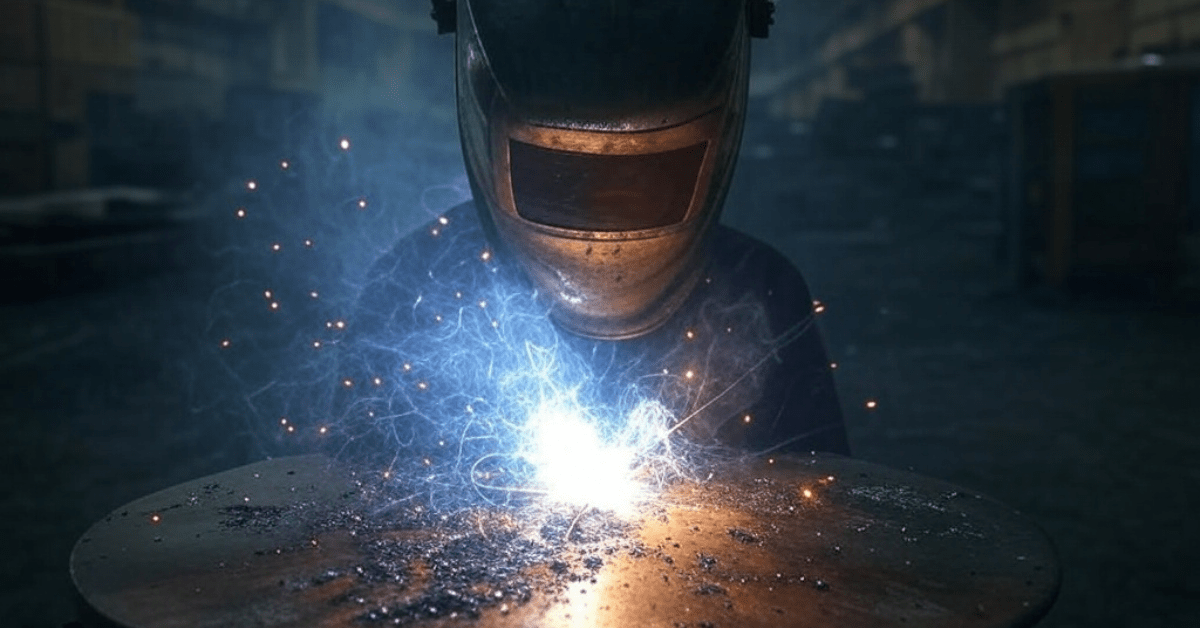
SAW (Submerged Arc Welding) is a highly productive welding process using consumable electrode wire fed under a blanket of granular flux. The arc burns beneath the flux layer, producing deep-penetration, high-quality welds at deposition rates far exceeding manual processes.
SAW characteristics include high deposition rates improving productivity, deep weld penetration reducing required passes, excellent weld quality with minimal defects from flux protection, minimal spatter and fumes making clean operation, and suitability for thick materials. The process requires flat or horizontal positioning and is typically automated or mechanized.
For pressure vessel fabrication, SAW produces longitudinal and circumferential seam welds efficiently. Automated SAW with rotating positioners enables high-quality production welding. Multi-wire SAW increases deposition rates further, though requiring careful procedure development to control dilution and properties.
SAW applications include heavy-wall pipe manufacturing, pressure vessel longitudinal and girth seams, structural shapes like I-beams, surfacing and cladding for wear or corrosion resistance, and any application requiring high deposition rates with quality welds in flat or horizontal positions.
Process limitations include position restrictions (flat and horizontal only), equipment requirements for mechanization, slower travel speeds than some processes, and flux handling systems. Despite limitations, SAW productivity advantages make it essential for production fabrication of heavy industrial equipment.
In the world of industrial fabrication, achieving strong, consistent, and high-quality welds is essential for building durable structures and equipment. One welding method that has become a staple in heavy-duty…