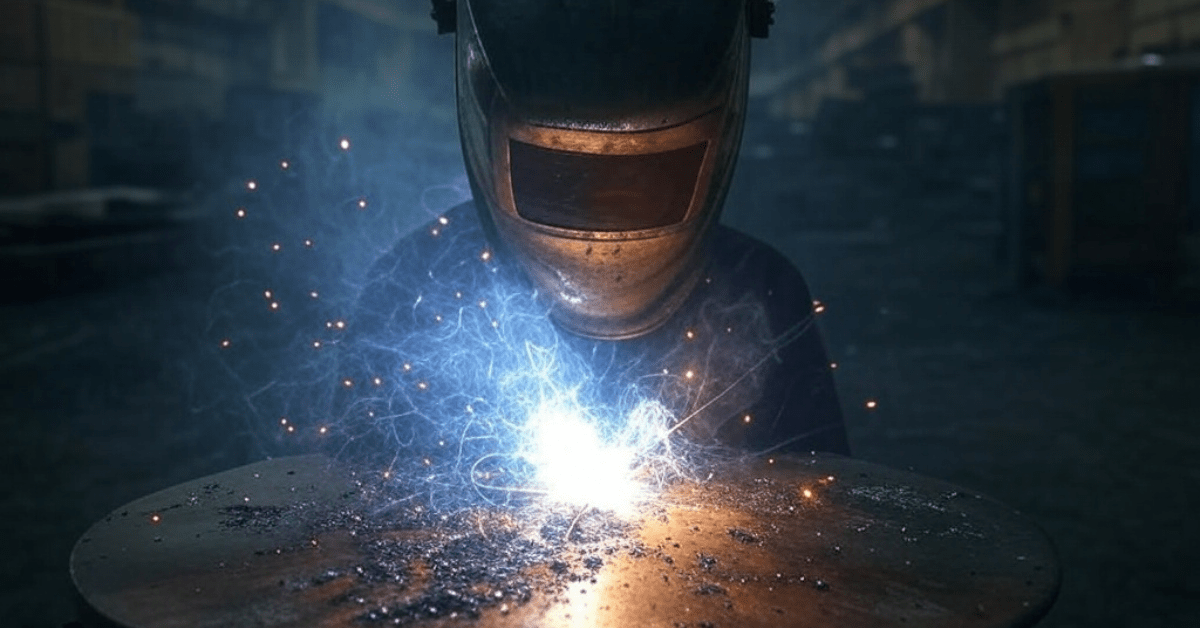
Heavy equipment in fabrication contexts refers to large-scale manufacturing machinery that enables production of substantial components and assemblies. This equipment includes heavy-capacity cranes and gantries, large-diameter rolls and presses, thick-plate welding systems, and machining centers capable of handling massive workpieces.
Heavy equipment capabilities determine fabrication shop capacity for large vessels, thick-wall pressure equipment, oversized structural components, and heavy modular assemblies. Equipment investments represent significant capital and require skilled operators to safely and effectively utilize capacity.
For pressure vessel fabrication, heavy equipment enables rolling large-diameter shells, forming thick heads, handling and positioning heavy components during assembly, and machining large flanges and nozzles. Capacity limitations constrain what shops can fabricate, influencing whether components are shop-fabricated or field-erected.
Equipment maintenance, operator training, and safe operating procedures ensure heavy equipment productivity and prevent accidents. Load capacity, reach, precision, and reliability all impact fabrication capability and efficiency.
In the world of industrial fabrication, achieving strong, consistent, and high-quality welds is essential for building durable structures and equipment. One welding method that has become a staple in heavy-duty…