
Energy infrastructure design translates energy project requirements into engineered systems and equipment specifications that enable construction and operation. Effective design integrates process requirements, mechanical equipment, structural systems, and operational considerations while optimizing for performance, cost, and constructability.

Design challenges in energy infrastructure include managing large material flows and energy streams, accommodating thermal expansion in high-temperature systems, ensuring reliability for continuous operation, and integrating safety systems that protect personnel and assets. Designs must comply with industry codes, environmental regulations, and owner standards.

Infrastructure design requires multidisciplinary coordination between process engineers, mechanical designers, civil and structural engineers, and fabrication specialists. Early involvement of fabrication expertise improves designs through constructability input, material availability considerations, and identification of cost-reduction opportunities.

Detailed Design Engineering Services at Wikota: Building the Future of Energy Infrastructure with Precision and Efficiency
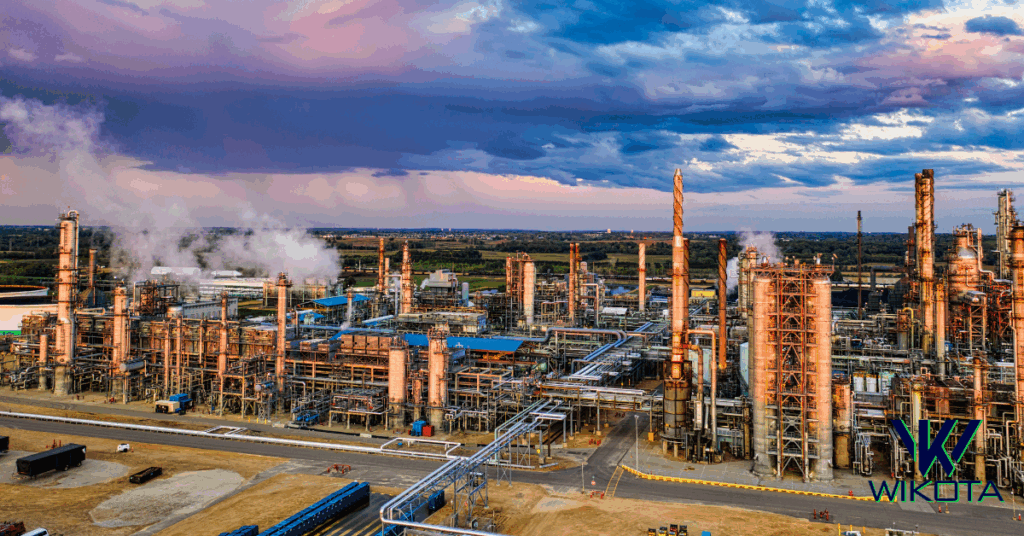
In the fast-paced world of energy infrastructure, where every pipeline, compression station, and renewable natural gas (RNG) facility demands flawless execution, detailed design engineering stands as the cornerstone of success.…

Continue ReadingDetailed Design Engineering Services at Wikota: Building the Future of Energy Infrastructure with Precision and Efficiency