
Compression stations are critical infrastructure for natural gas transmission, gas gathering systems, and industrial gas applications. These facilities house compressor packages, coolers, separators, piping systems, and controls that maintain pressure and flow throughout gas networks.

Effective compression station design requires integrating mechanical equipment with civil structures, electrical systems, and instrumentation while optimizing for efficiency, reliability, and maintainability. Layout considerations include equipment spacing for maintenance access, foundation design for vibration control, and piping configurations that minimize pressure drop.

Modern compression stations increasingly incorporate variable speed drives, condition monitoring systems, and emissions controls that improve operational flexibility and environmental performance. Design must account for future expansion, tie-in points for additional capacity, and operational scenarios that ensure reliability.

Detailed Design Engineering Services at Wikota: Building the Future of Energy Infrastructure with Precision and Efficiency
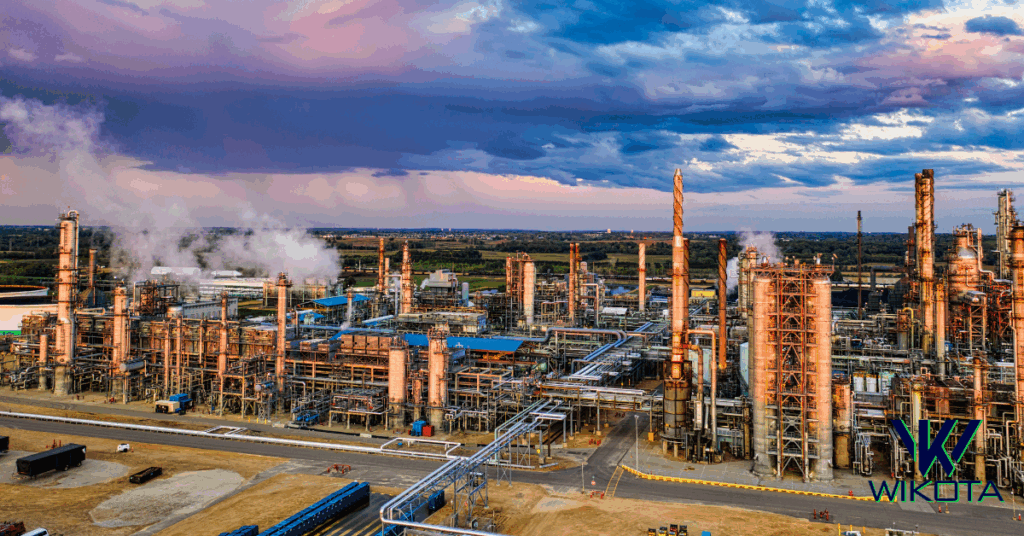
In the fast-paced world of energy infrastructure, where every pipeline, compression station, and renewable natural gas (RNG) facility demands flawless execution, detailed design engineering stands as the cornerstone of success.…

Continue ReadingDetailed Design Engineering Services at Wikota: Building the Future of Energy Infrastructure with Precision and Efficiency