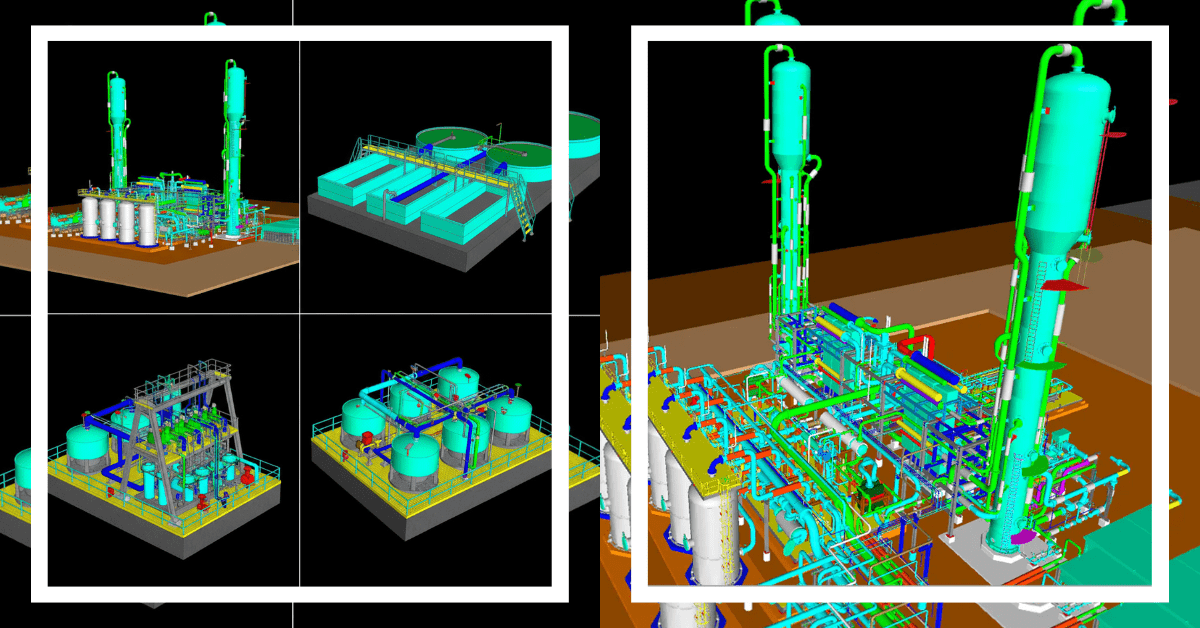
Helium recovery captures and purifies helium from natural gas, industrial processes, or cryogenic applications for reuse or sale, conserving this non-renewable resource while creating economic value. Recovery approaches depend on helium concentration and source—natural gas processing requires initial concentration followed by purification, while industrial applications may need only purification and compression. Technologies include cryogenic separation, pressure swing adsorption, and membrane systems.
Equipment for helium recovery includes separation vessels, heat exchangers, compressors, purification systems, and storage facilities, often integrated into packaged recovery units. Fabrication must address cryogenic temperatures in some applications requiring specialized materials and techniques. Markets include natural gas processing facilities with helium-bearing reserves, MRI facilities reclaiming helium, research laboratories, and industrial gas suppliers. Recovery economics depend on helium concentration, volume, efficiency, and market pricing, with growing demand and supply constraints improving recovery project viability.
In the dynamic energy sector, where midstream pipelines, helium recovery units, and renewable natural gas (RNG) facilities must navigate volatile markets and stringent regulations, front-end planning emerges as the critical…