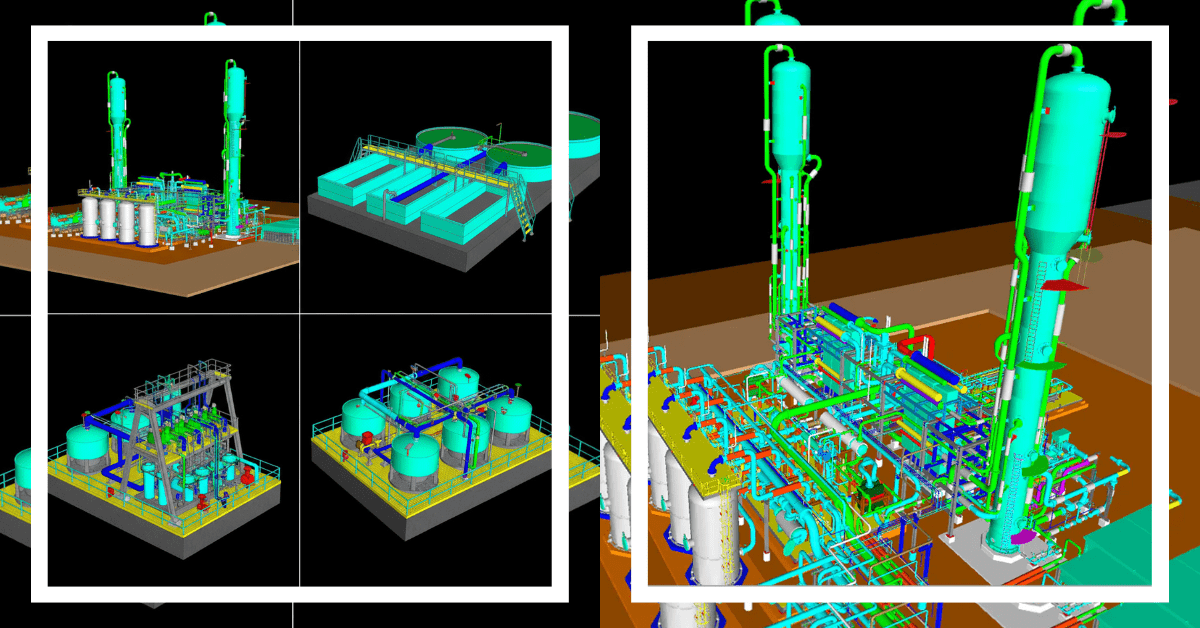
Front-End Planning develops projects through structured phases progressively defining scope, technology, costs, schedules, and execution approaches before committing to full execution. Effective front-end work reduces project risk, improves cost and schedule predictability, and increases success probability. Planning phases typically include opportunity assessment evaluating concepts, alternatives evaluation selecting approaches, and detailed planning developing execution-ready scope and estimates.
Front-end deliverables include business case development, technology selection, scope definition with drawings and specifications, cost estimates progressing from conceptual to detailed, schedule development, risk assessment, and execution planning. For fabrication projects, front-end planning establishes equipment requirements, evaluates fabrication strategies including modularization, develops preliminary designs, obtains budgetary pricing, and identifies long-lead items. Industry research consistently shows front-end planning quality correlates strongly with project success, though organizations often face pressure to minimize planning investment and proceed quickly to execution.
In the dynamic energy sector, where midstream pipelines, helium recovery units, and renewable natural gas (RNG) facilities must navigate volatile markets and stringent regulations, front-end planning emerges as the critical…