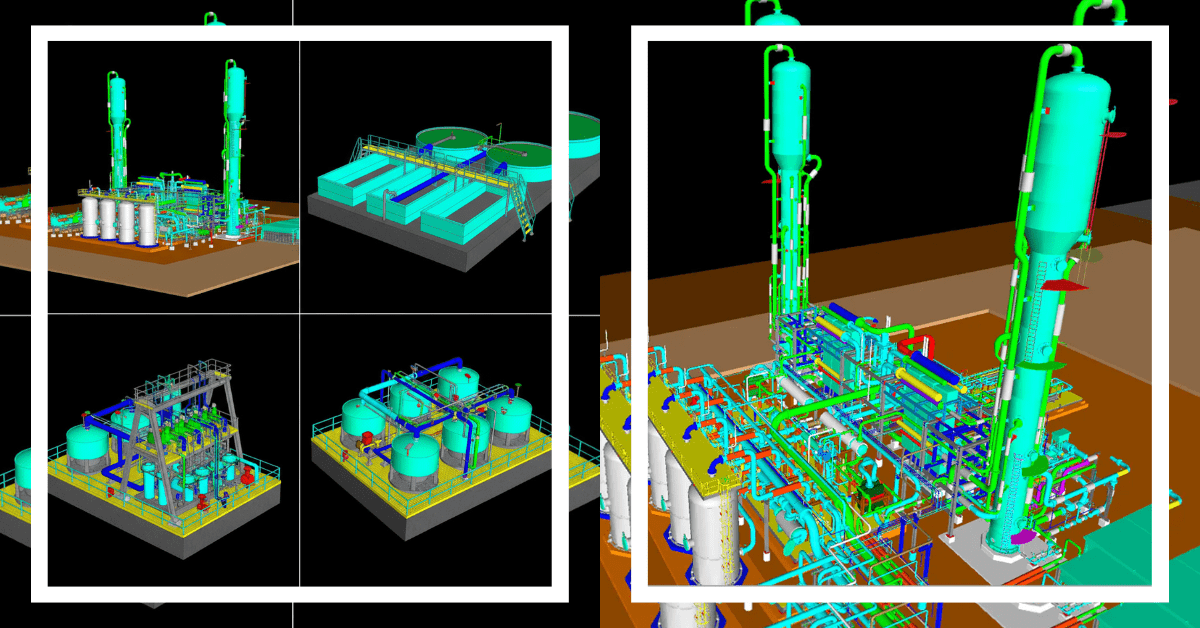
Feasibility studies evaluate proposed projects assessing technical viability, economic attractiveness, and implementation practicality before significant investment. Studies provide decision-makers information determining whether to proceed, modify, or abandon concepts. Scope includes technical feasibility examining whether approaches will work, economic analysis evaluating costs versus benefits, schedule assessment determining implementation duration, risk identification highlighting concerns, and commercial evaluation considering market and business factors.
For fabrication and equipment projects, feasibility studies address equipment availability and lead times, fabrication complexity and risk, material availability and costs, installation requirements, regulatory compliance, and order-of-magnitude budgets. Study quality determines decision quality—insufficient analysis leads to poor decisions while excessive detail wastes resources on concepts that should be rejected. Appropriate study depth provides confidence in viability assessment while controlling study costs.
In the dynamic energy sector, where midstream pipelines, helium recovery units, and renewable natural gas (RNG) facilities must navigate volatile markets and stringent regulations, front-end planning emerges as the critical…