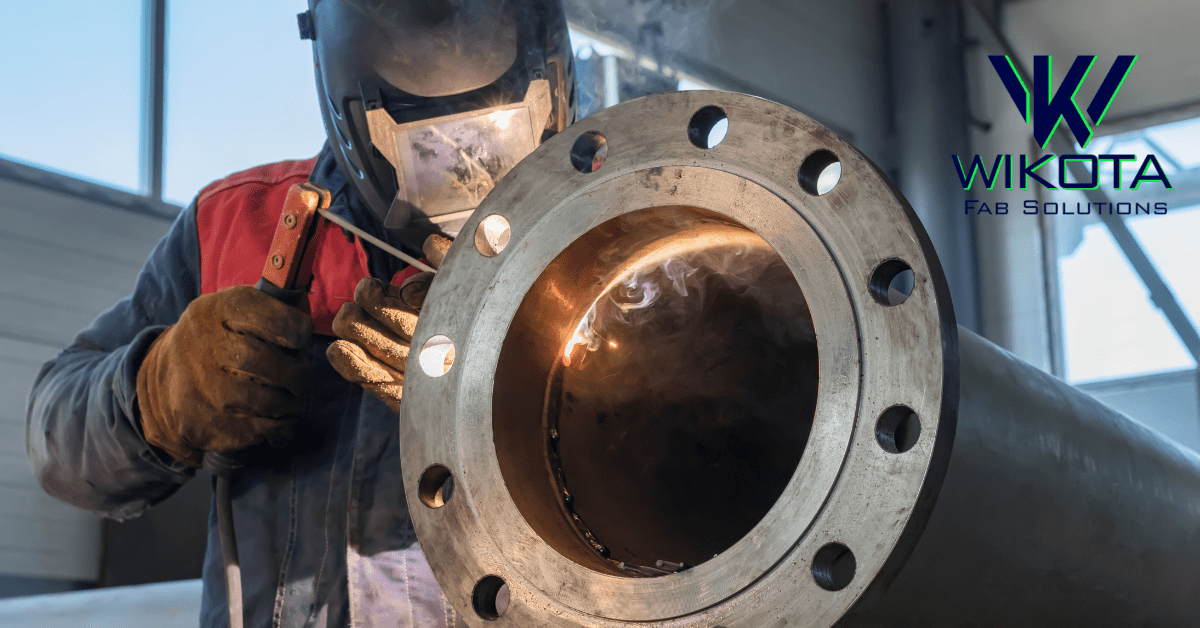
Welding safety standards protect welders and others from hazards including electric shock, fumes and gases, fire and explosion, radiation, and physical hazards. Compliance with OSHA regulations, ANSI standards, and industry best practices ensures safe welding operations.
Safety requirements include electrical safety through proper grounding, insulated electrode holders, and dry conditions, ventilation providing adequate air exchange and fume extraction, fire prevention via hot work permits and fire watch, eye protection using proper filter lenses for welding processes, protective clothing resisting sparks and spatter, and confined space procedures when welding in tanks or vessels.
Specific hazards and controls include fumes and gases requiring local exhaust ventilation or respiratory protection, UV and IR radiation necessitating proper lens shading and skin protection, electrical shock requiring proper equipment and dry conditions, fire and explosion prevented through combustible removal and monitoring, and compressed gas cylinder safety for proper storage and handling.
For fabrication shops, safety programs include written procedures for welding operations, welder training in safe practices, regular equipment inspection and maintenance, monitoring air quality in welding areas, providing appropriate PPE, hot work permit systems, and emergency response procedures.
Safety culture emphasizes that production never justifies unsafe practices, near-miss reporting and investigation, worker involvement in safety improvements, regular safety training and refreshers, and management commitment demonstrated through resource allocation and accountability.
In the world of fabrication and industrial manufacturing, maintaining high standards of safety, quality, and reliability is crucial. One of the most recognized standards in the welding industry is the…