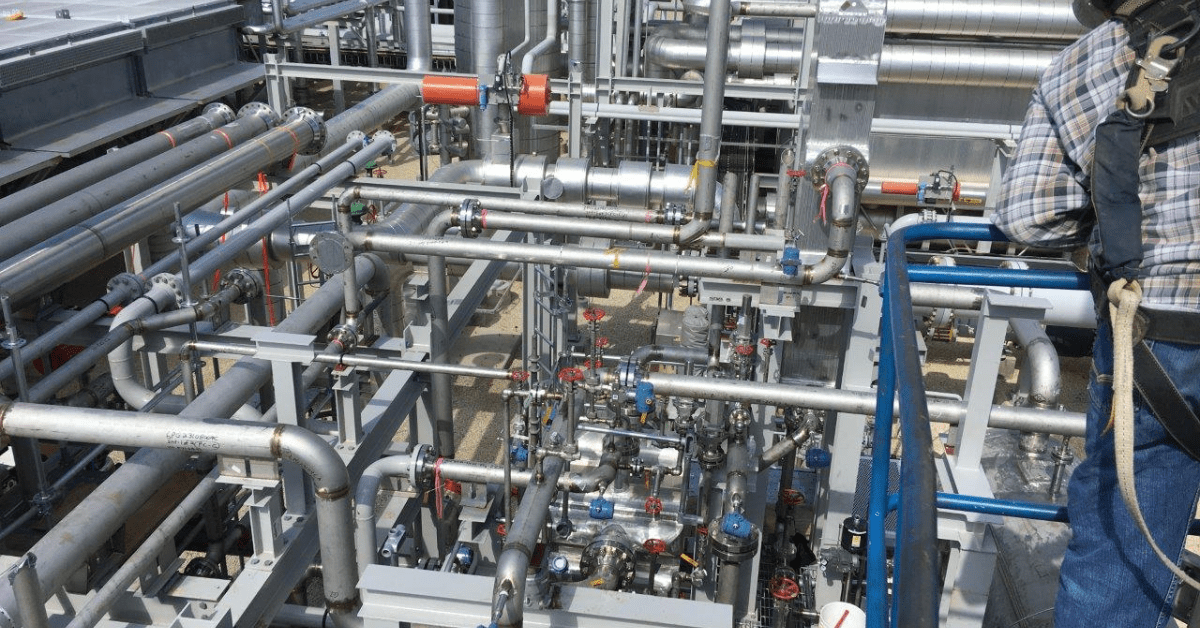
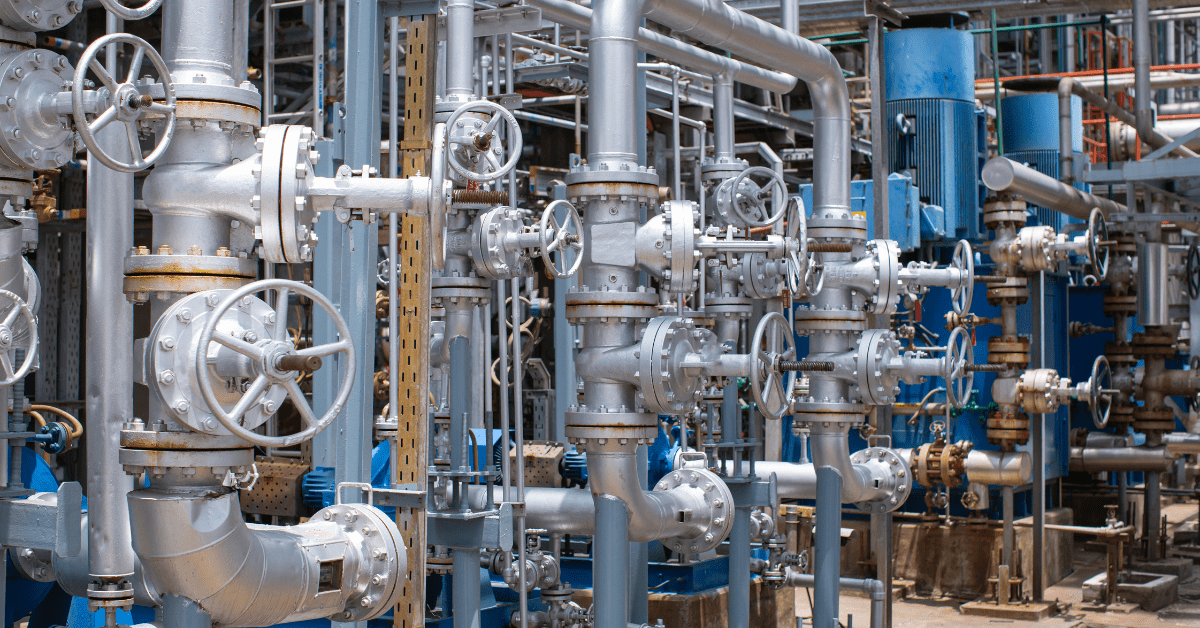
Welding and testing combine to ensure weld integrity through production welding using qualified procedures and skilled welders, followed by systematic inspection and testing verifying quality and code compliance. Integration of welding and testing prevents defects and validates weld acceptability.
Testing methods for welded fabrications include visual examination (VT) as foundation of all inspection, liquid penetrant testing (PT) for surface discontinuities, magnetic particle testing (MT) for surface and near-surface defects in ferromagnetic materials, radiographic testing (RT) revealing internal weld quality, ultrasonic testing (UT) for volumetric examination, and proof testing demonstrating structural adequacy.
For ASME pressure vessel fabrication, testing requirements depend on code section, design category, and joint efficiency factors. Section VIII Division 1 typically requires RT or UT of welds, hydrostatic testing to 1.3 times design pressure, and pneumatic testing when hydrostatic is impractical. Testing validates both weld quality and overall vessel integrity.
Testing timing varies by method and purpose: visual examination throughout welding, PT or MT after weld completion, RT or UT after visual acceptance, dimensional verification before pressure testing, and hydrostatic or pneumatic testing after all welding and NDE. Progressive testing finds problems early.
Test failures require evaluation, repair, and retest. Proper welding procedures and skilled welders minimize failures. When failures occur, root cause analysis prevents recurrence. Comprehensive testing and documentation demonstrate code compliance and provide confidence in equipment integrity.
The oil and gas industry operates in some of the world’s most demanding environments, requiring infrastructure and equipment that can withstand extreme conditions, high pressures, and rigorous safety standards. Oil…
Understanding Piping Spool Fabrication for Industrial Applications In the world of industrial piping systems, efficiency, precision, and reliability are key. For industries such as oil and gas, chemical processing, power…