
Precision in Fabricated Piping: Key Steps and Benefits for Industrial Success

Introduction to Fabricated Piping Fabricated piping systems are vital for industries such as oil and gas, power generation, chemical processing, and water treatment, enabling the safe and efficient transfer of liquids, gases, and materials. Precision in fabricated piping ensures these systems meet stringent safety, performance, and durability standards. This article outlines the critical steps to […]
Oil and Gas Fabrication Services: Meeting Industry Standards

The oil and gas industry operates in some of the world’s most demanding environments, requiring infrastructure and equipment that can withstand extreme conditions, high pressures, and rigorous safety standards. Oil and gas fabrication services play a crucial role in supporting this industry by providing custom-built components and structures that meet strict specifications. From pipelines and […]
Introduction to Fabrication Solutions: What You Need to Know
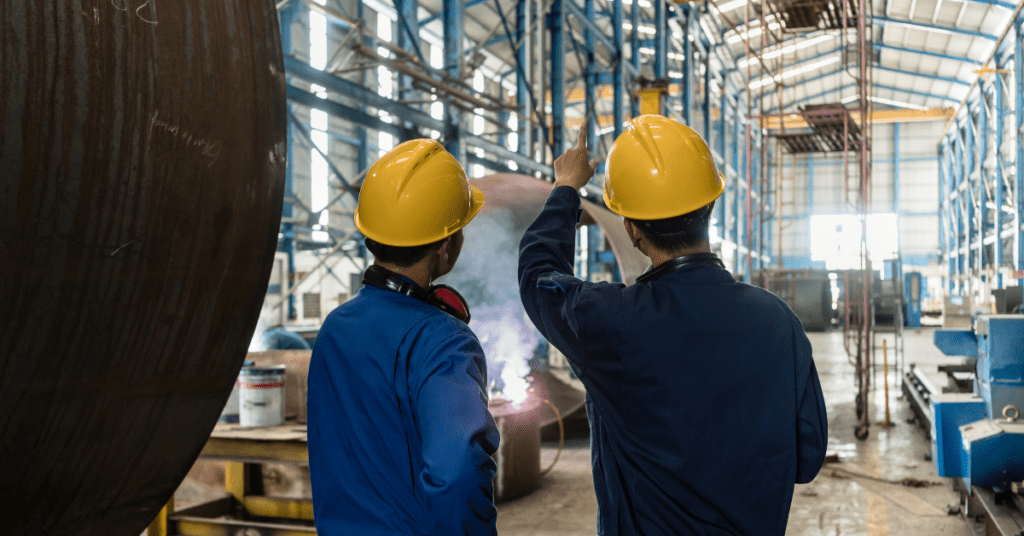
Introduction to Fabrication Solutions: What You Need to Know Table of Contents Fabrication solutions transform raw materials into custom components and assemblies that meet specific project requirements across construction, manufacturing, energy, aerospace, and other industrial sectors. These comprehensive services encompass cutting, welding, bending, machining, and assembly processes that create everything from structural steel frameworks to […]
Unlocking Efficiency and Reliability with Wikota Fab Solutions
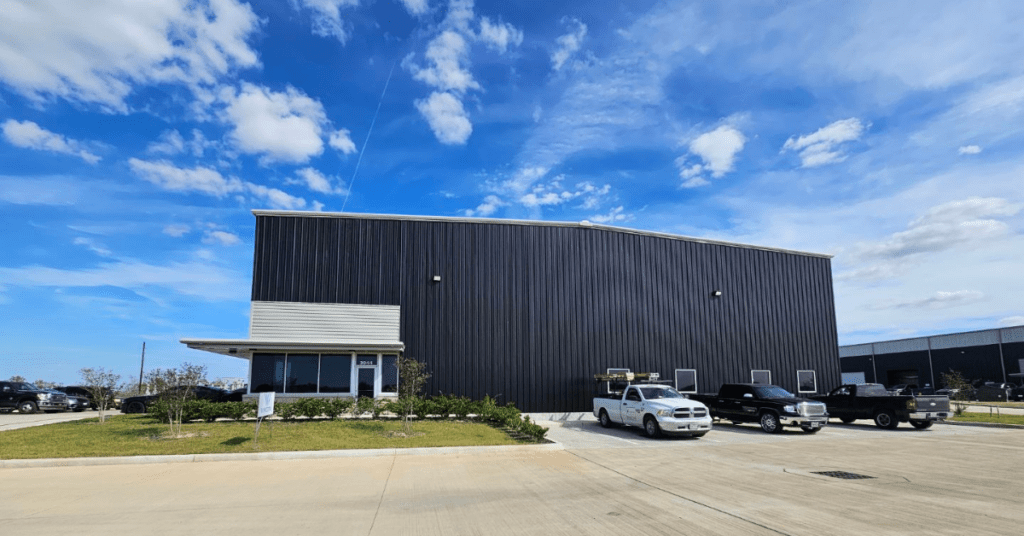
Table of Contents Custom Industrial Fabrication Services: Pressure Vessels, Process Skids & Structural Steel for Oil & Gas When an energy or petrochemical project requires custom-fabricated equipment, the margin for error is zero. Pressure vessels must meet ASME code. Process skids must be engineered for the specific operating conditions of the facility. Structural steel must […]