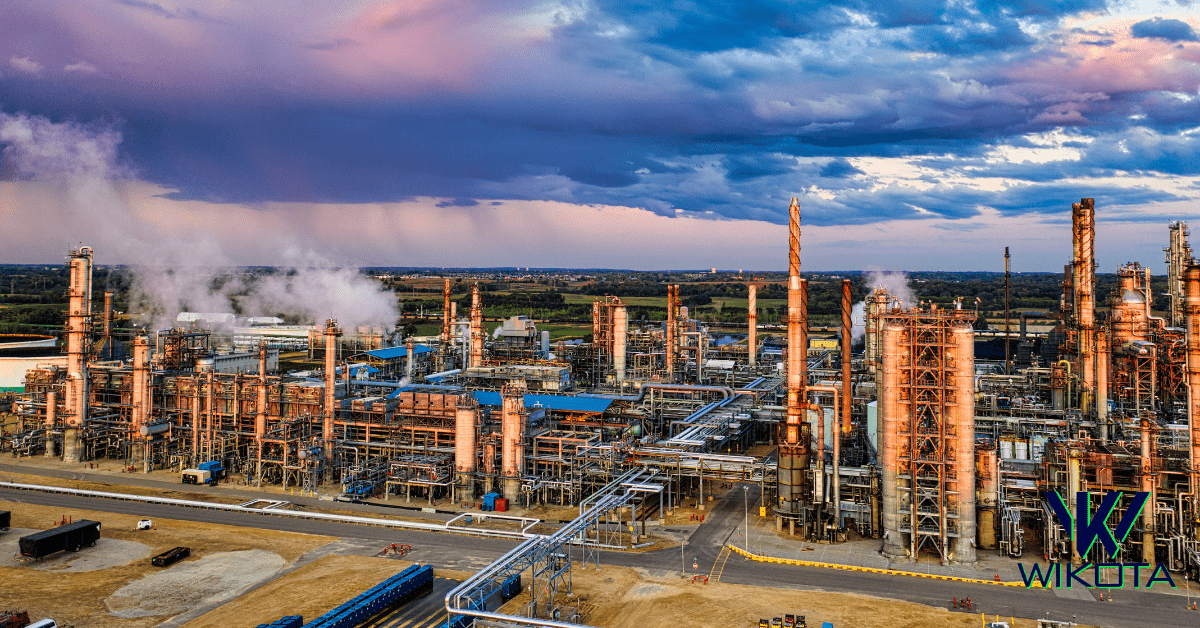
Process engineering designs and optimizes chemical, physical, and biological processes that transform raw materials into valuable products. This discipline integrates chemistry, thermodynamics, fluid mechanics, heat transfer, and reaction engineering to develop efficient, safe, and economical manufacturing processes.
Process engineering scope includes developing process flow schemes, performing mass and energy balances, sizing equipment for process requirements, specifying operating conditions, establishing control strategies, and optimizing for yield, efficiency, or economics. Engineers use process simulation software for complex calculations and optimization.
For equipment fabrication, process engineering provides specifications: required vessel volumes, operating pressures and temperatures, fluid properties affecting materials selection, heat duty for heat exchangers, separation performance for towers, and process conditions for pumps and compressors. Clear specifications enable appropriate equipment design.
Process engineering challenges include handling multiple components and phases, managing heat effects in exothermic or endothermic reactions, achieving required conversions and selectivities, preventing undesired side reactions, designing for variable feedstocks or operating conditions, and scaling from laboratory to commercial production.
In the fast-paced world of energy infrastructure, where every pipeline, compression station, and renewable natural gas (RNG) facility demands flawless execution, detailed design engineering stands as the cornerstone of success.…
In the dynamic energy and industrial gas sectors, staying ahead requires not just expertise but also the integration of cutting-edge technologies. At Wikota Design & Construction, headquartered in Brookshire, Texas,…