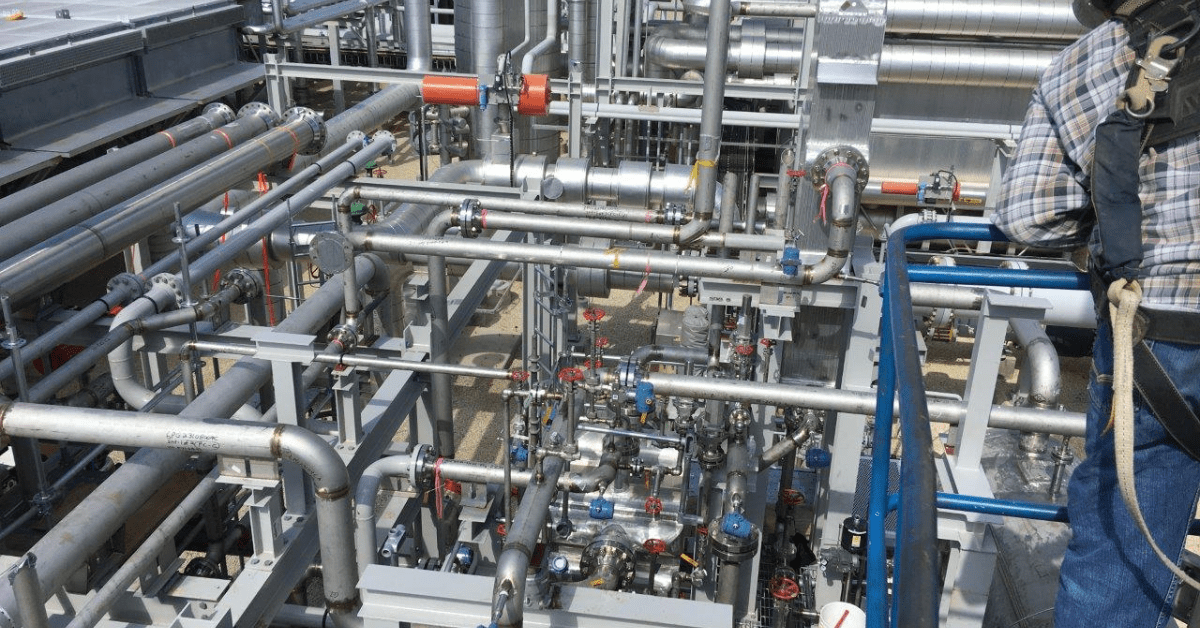
Pressure vessels are closed containers designed to hold gases or liquids at pressures substantially different from ambient pressure. These critical equipment items enable countless industrial processes—chemical reactions, separations, heat transfer, storage—making them fundamental to manufacturing, energy, and infrastructure.
Vessel types include reactors for chemical reactions, separators for liquid/gas or liquid/liquid separation, heat exchangers for thermal duty, storage vessels for compressed gases or liquids, towers and columns for distillation and absorption, and filters for solids removal. Each type serves specific process functions.
ASME Boiler and Pressure Vessel Code governs design, fabrication, inspection, and testing of pressure vessels in most jurisdictions. Code compliance ensures vessels safely contain design pressures and temperatures throughout intended service life. Sections I (power boilers), VIII (pressure vessels), and others establish requirements.
Vessel design involves pressure and temperature rating, material selection for service conditions and corrosion resistance, shell and head thickness calculations, nozzle design and reinforcement, internal components specification, support design, and specification of fabrication, examination, and testing requirements. Design must balance safety, performance, cost, and constructability.
The oil and gas industry operates in some of the world’s most demanding environments, requiring infrastructure and equipment that can withstand extreme conditions, high pressures, and rigorous safety standards. Oil…