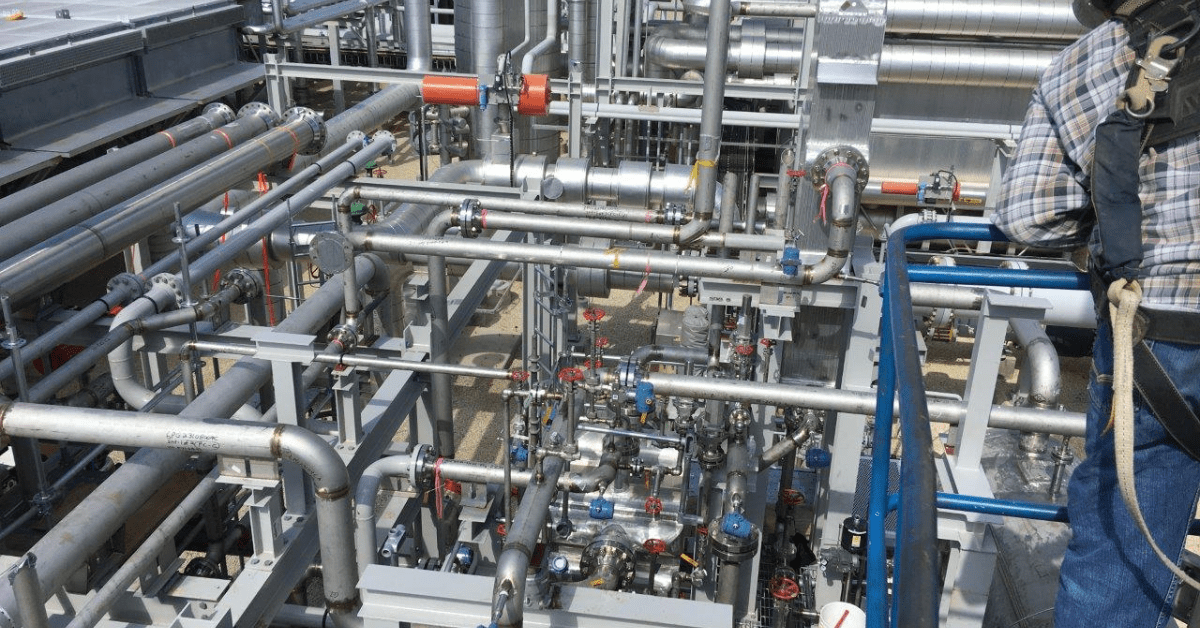
Pipelines transport vast quantities of oil, natural gas, water, and other fluids across continents, providing the most economical means of moving large volumes over distance. This essential infrastructure enables energy markets, water distribution, and industrial supply chains supporting modern economies.
Pipeline systems comprise the pipeline itself—steel pipe welded into continuous conduits, buried or above-ground installations, and protective coatings—plus supporting facilities including pump or compressor stations, metering and regulation stations, storage facilities, and control systems monitoring operations and detecting leaks.
Types include crude oil pipelines from production to refineries, refined product pipelines from refineries to distribution, natural gas transmission pipelines at high pressure, gas gathering systems collecting production, water pipelines for municipal and industrial supply, and specialty pipelines for chemicals, CO₂, and other materials.
Pipeline design and construction must address safety, environmental protection, regulatory compliance, and economic optimization. Modern pipelines incorporate inline inspection capabilities, leak detection systems, corrosion protection, and emergency response systems. Operating companies invest in integrity management ensuring safe, reliable operation throughout pipeline life.
The oil and gas industry operates in some of the world’s most demanding environments, requiring infrastructure and equipment that can withstand extreme conditions, high pressures, and rigorous safety standards. Oil…