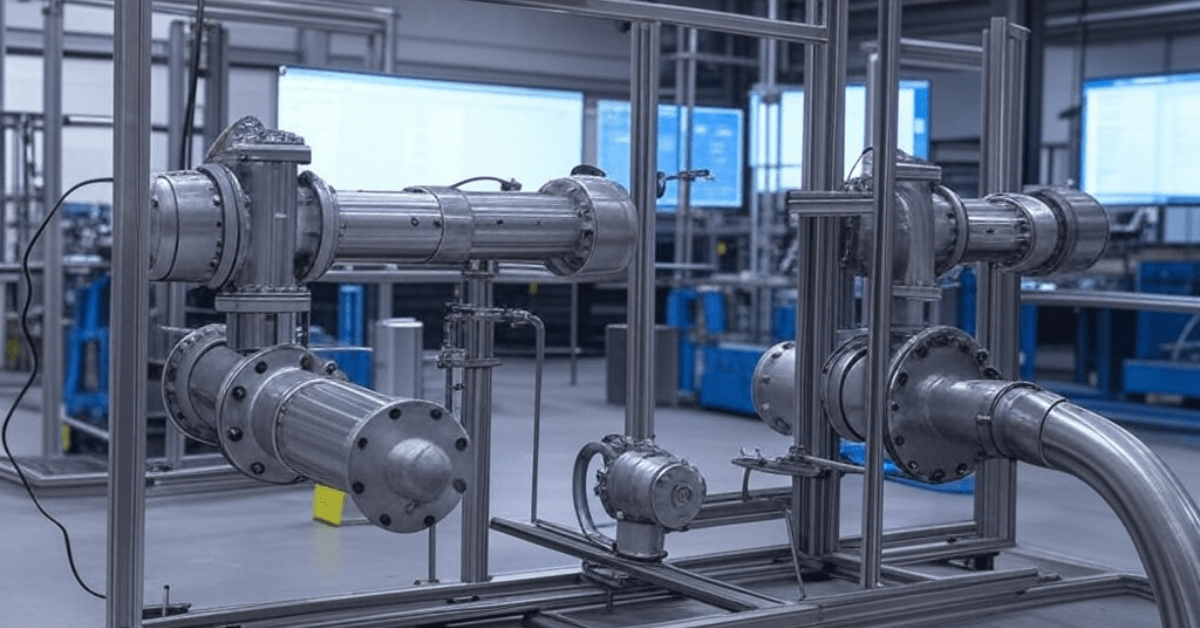
Industrial optimization systematically improves manufacturing operations, equipment designs, or processes to achieve better performance—higher output, lower costs, improved quality, reduced energy consumption, or enhanced safety. Optimization applies analytical methods and domain expertise to identify and implement improvements.
Optimization opportunities exist throughout industrial operations: production scheduling to maximize throughput, equipment design to minimize material usage, process parameters to improve efficiency, layout to reduce handling, maintenance strategies to prevent downtime, and supply chain to reduce inventory costs.
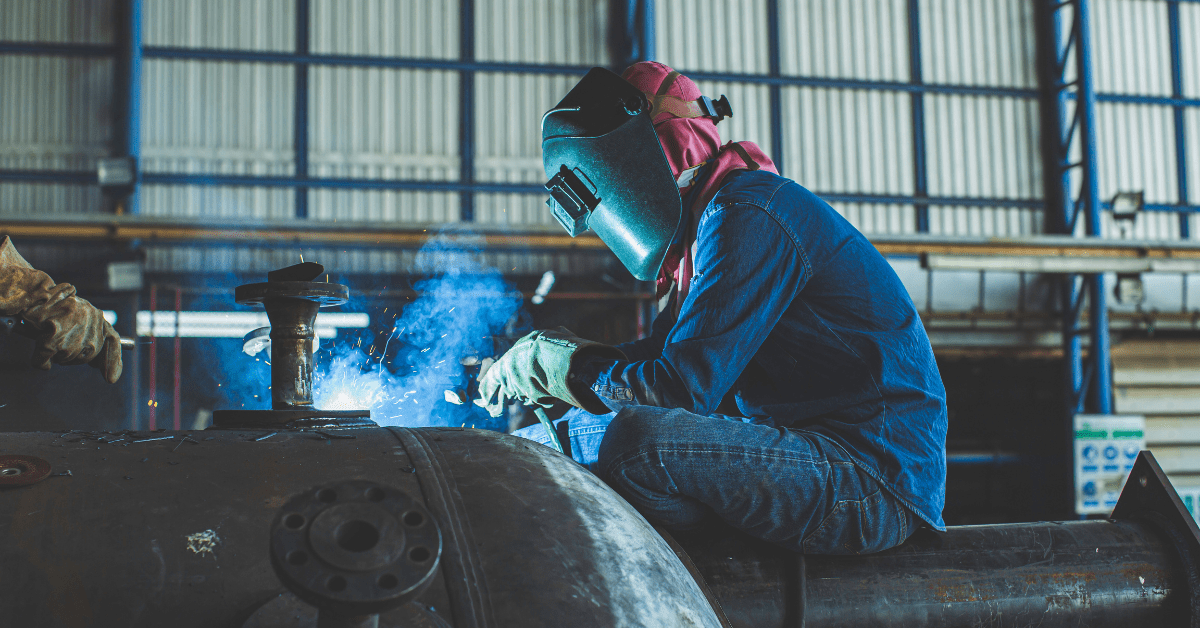
For fabrication operations, optimization might involve weld procedure development for faster deposition, nesting algorithms for better material yield, workflow redesign to eliminate bottlenecks, or heat treatment optimization to improve properties while reducing cycle time. Each improvement requires understanding current performance, identifying constraints, and testing changes.
Optimization methodologies range from mathematical programming for complex scheduling to design of experiments for process improvement to simulation for layout planning. Selection depends on problem characteristics and available data. Sometimes simple observation and common sense identify obvious improvements.
In the industrial world, efficiency, flexibility, and cost-effectiveness are essential to meeting the demands of complex projects. Modular skid fabrication is a process that checks all these boxes, providing a…
Cost-Effective Fabrication Solutions for a Competitive Edge Table of Contents In today’s fast-paced industrial landscape, businesses constantly seek ways to improve efficiency, cut costs, and maintain a competitive edge. One…