Gas purification removes contaminants from gas streams to meet product specifications, protect downstream equipment, or satisfy environmental regulations. Purification processes vary based on gas composition, contaminants present, purity requirements, and economic considerations.
Common purification applications include removing CO₂ and H₂S from natural gas, eliminating moisture from instrument air, recovering high-purity hydrogen from refinery streams, and removing trace contaminants from specialty gases. Each application requires appropriate purification technology—amine treating, pressure swing adsorption, membrane separation, cryogenic separation, or other methods.
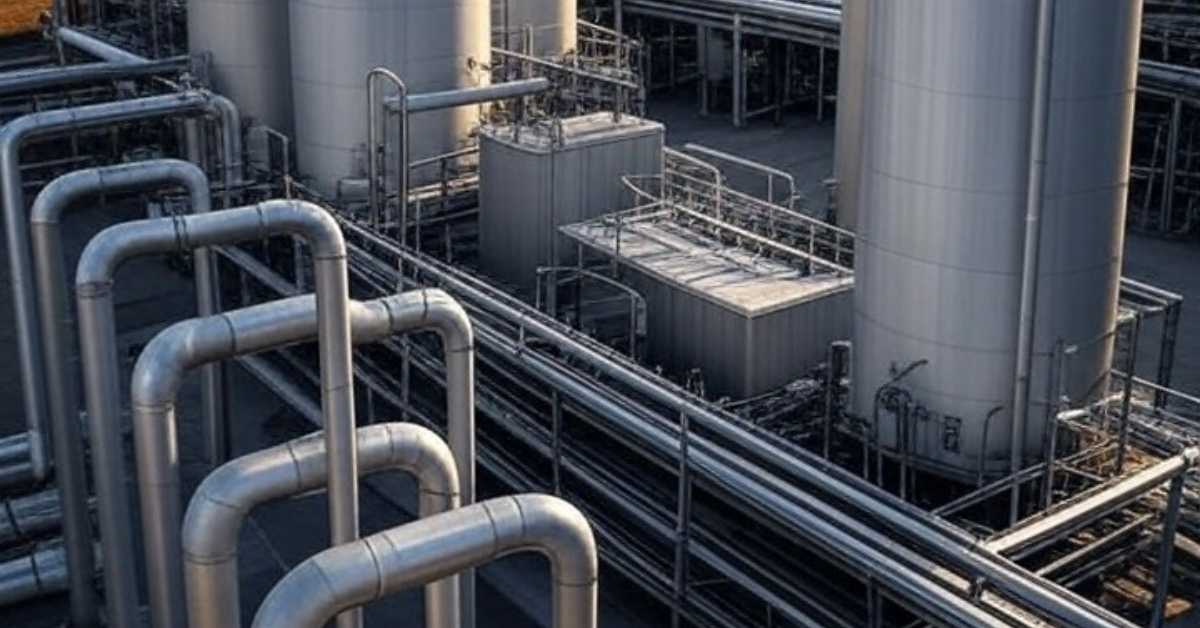
Equipment for gas purification includes absorbers and strippers, regeneration vessels, heat exchangers, filtration systems, and associated piping and controls. Fabrication must accommodate corrosive gas streams in some applications, requiring special materials and welding procedures.
Purification system design balances purity requirements against capital cost and operating expenses. Over-specifying purity increases costs unnecessarily; under-specifying causes downstream problems. Process simulation and optimization identify the most economic approach.
Gas upgrading systems are vital in refining industrial gases for applications in manufacturing, energy, and environmental management. These systems, built through precise fabrication processes, ensure high-purity gases that drive efficiency,…