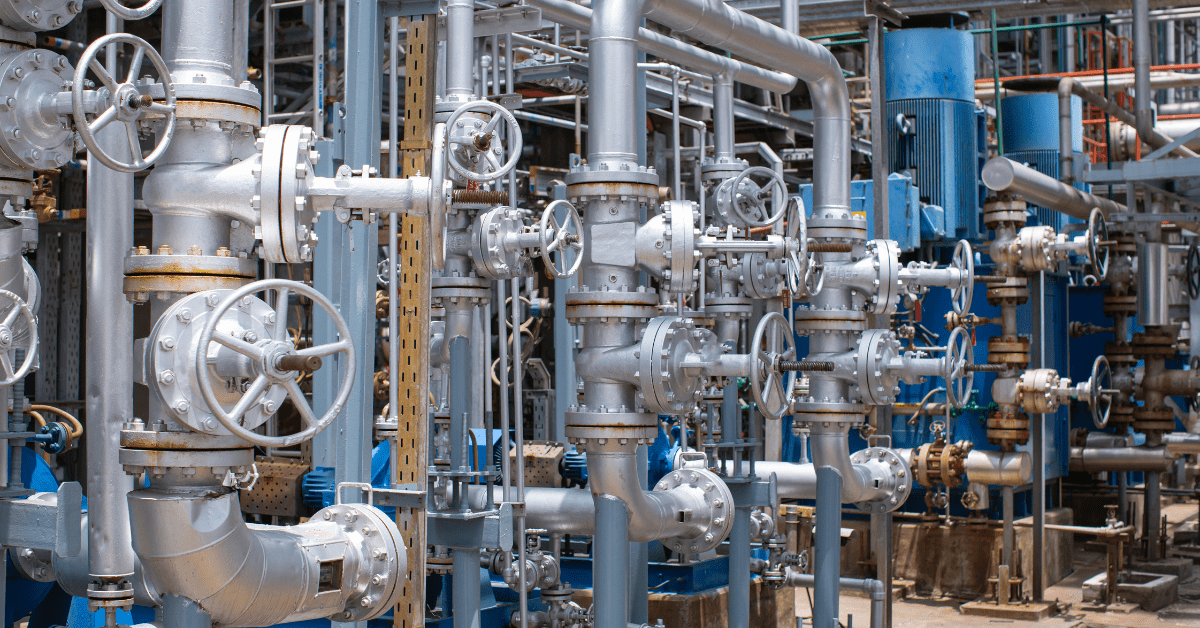
Efficient piping systems minimize pressure drop, reduce material costs, optimize installation labor, and support reliable long-term operation through smart design and fabrication. Efficiency in piping goes beyond simple hydraulic calculations to encompass constructability, maintainability, and lifecycle cost optimization.
Design efficiency involves selecting appropriate pipe sizes that balance capital cost against pumping costs, routing that minimizes length and fittings while maintaining accessibility, and support systems that accommodate thermal expansion without excessive stress. Material selection considers not just pressure and temperature but also corrosion resistance, weight, and availability.
Fabrication efficiency requires optimized spool piece design, shop versus field fabrication decisions, welding procedures suited to materials and joint configurations, and quality processes that minimize costly rework. Prefabrication of pipe assemblies in controlled shop environments improves quality, reduces field labor, and accelerates installation schedules.
For process plants and energy facilities, piping systems represent significant capital investment and ongoing operational costs. This tag explores piping design principles that improve efficiency, fabrication strategies that reduce installed costs, and best practices for material selection, support design, and construction planning. Learn how experienced fabricators and engineers collaborate to deliver piping systems that meet performance requirements while optimizing project economics.
Understanding Piping Spool Fabrication for Industrial Applications In the world of industrial piping systems, efficiency, precision, and reliability are key. For industries such as oil and gas, chemical processing, power…