
Oil and gas infrastructure encompasses the physical assets enabling hydrocarbon production, processing, storage, and distribution—from wellheads to pipelines to refineries to retail stations. This extensive infrastructure represents trillions in invested capital and requires continuous maintenance, expansion, and modernization.

Infrastructure components include production facilities extracting hydrocarbons, gathering systems collecting production, processing plants removing impurities and separating products, transmission pipelines transporting to markets, storage facilities providing supply flexibility, refining capacity converting crude to products, and distribution networks delivering to consumers.

Each infrastructure element requires fabricated equipment: pressure vessels, heat exchangers, towers, reactors, tanks, piping, structural steel, and specialized components. Infrastructure projects generate substantial fabrication scope, often involving multiple fabricators across geographic regions.

Infrastructure investment drivers include production growth requiring capacity expansion, aging assets needing replacement, regulatory requirements for emissions or safety, efficiency improvements reducing operating costs, and changing energy mix toward natural gas and renewable fuels. Investment cycles correlate with commodity prices and economic conditions.

Optimizing Energy Projects: Expert Design and Installation Support Services by Wikota
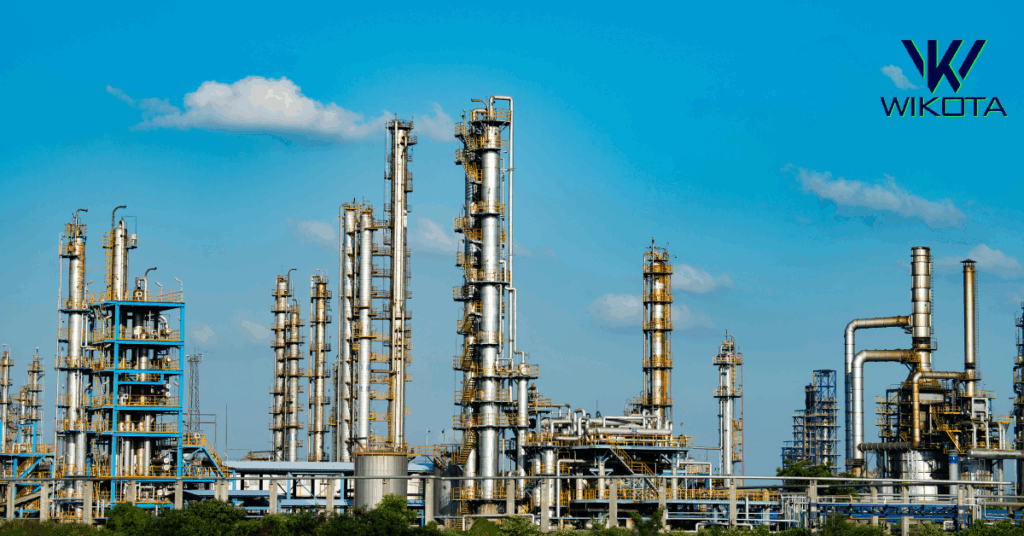
In the fast-paced energy sector, where precision and efficiency can make or break a project, having reliable design and installation support services is crucial. At Wikota Design & Construction, based…

Continue ReadingOptimizing Energy Projects: Expert Design and Installation Support Services by Wikota