
(281) 833-8130
info@wikotadc.com
3044 Venergy Drive, Brookshire, TX 77423
7633 E. 63rd Place One Memorial Place, Ste 300 Tulsa, OK 74133
(281) 833-8130
info@wikotadc.com
3044 Venergy Drive, Brookshire, TX 77423
7633 E. 63rd Place One Memorial Place, Ste 300 Tulsa, OK 74133
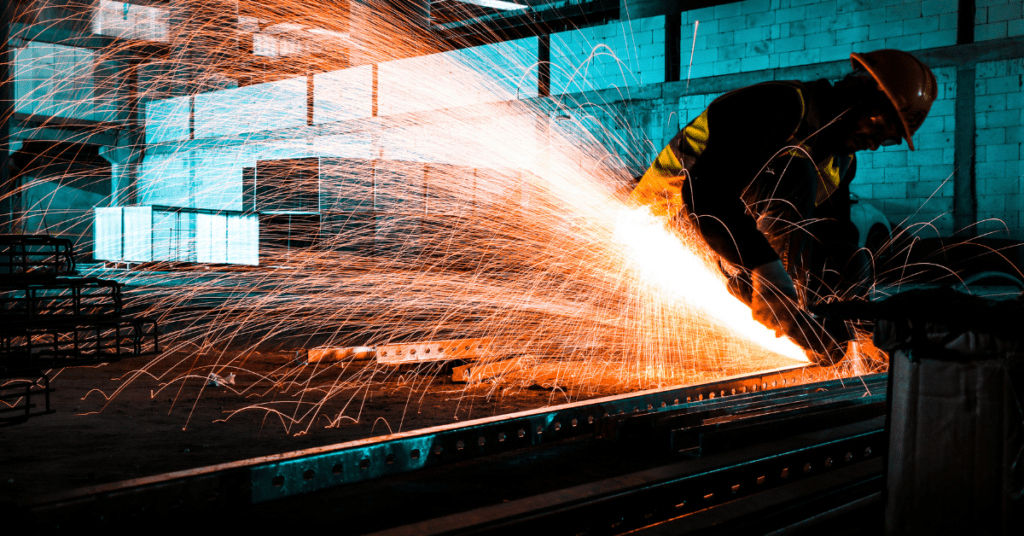
End-to-end fabrication solutions provide a comprehensive approach to manufacturing that covers every stage from initial design and prototyping to final assembly and delivery. By consolidating all fabrication stages with a single provider, companies eliminate the need to coordinate multiple vendors, streamline communication, reduce lead times, and improve product quality. This integrated approach transforms complex multi-vendor processes into seamless, efficient operations that accelerate project completion and reduce costs.
Manufacturing, construction, energy, aerospace, and automotive industries benefit significantly from end-to-end fabrication. Rather than managing separate contracts for design, materials sourcing, machining, assembly, and finishing, companies work with one provider who maintains oversight and accountability throughout the entire process. This consolidation reduces coordination overhead, minimizes errors from handoffs between vendors, and ensures consistent quality standards from start to finish.
This guide explains what end-to-end fabrication solutions involve, their key benefits for operational efficiency and cost reduction, essential components of effective end-to-end services, how these solutions transform different industries, and criteria for selecting the right fabrication partner to streamline your manufacturing process.
End-to-end fabrication solutions are comprehensive manufacturing services where a single provider manages the entire fabrication process from concept to completion. Rather than sourcing design, materials, prototyping, machining, and assembly from different vendors, companies partner with one provider who coordinates all production stages. This holistic approach ensures cohesive execution, consistent quality standards, and streamlined project management.
Comprehensive fabrication services typically include:
End-to-end fabrication solutions deliver substantial operational and financial benefits. These advantages create competitive positioning through improved efficiency, quality, and cost management.
Managing multiple vendors creates communication challenges that lead to delays, design inconsistencies, and production errors. Miscommunication between separate vendors for design, materials, and fabrication results in costly rework and project delays. End-to-end solutions consolidate all communication through a single point of contact, simplifying project management and ensuring alignment across all production stages. This unified communication structure reduces misunderstandings, accelerates decision-making, and maintains consistency with the project’s overall goals.
Traditional fabrication workflows involve multiple vendors handling different production stages, creating delays during handoffs and coordination. Transitioning materials and information between separate design firms, material suppliers, fabricators, and assembly operations adds weeks to project timelines. End-to-end providers manage the complete process in-house, eliminating external transitions and significantly reducing lead times. This acceleration enables faster product launches, improved responsiveness to market opportunities, and better cash flow through quicker order-to-payment cycles.
Quality control becomes challenging when production stages occur across multiple vendors with different quality standards and inspection procedures. Minor issues in early stages can compound into major problems during assembly if not detected promptly. End-to-end fabrication maintains consistent quality oversight throughout the entire process because all stages occur in one facility under unified quality management systems. Continuous inspection at each production phase identifies and corrects issues immediately, resulting in higher-quality finished products that meet or exceed industry standards. This comprehensive quality approach reduces defect rates, minimizes rework, and improves customer satisfaction.
Multi-vendor arrangements generate hidden costs including shipping between locations, duplicate project management fees, coordination overhead, and increased rework from communication gaps. Each vendor transition adds handling costs, transportation expenses, and time delays. End-to-end fabrication consolidates services in one location, eliminating inter-vendor shipping, reducing project management overhead, and minimizing coordination costs. These efficiency gains translate into substantial savings on materials, labor, and logistics while reducing downtime and rework expenses. Lower overall costs enable competitive pricing without sacrificing profit margins.
End-to-end fabrication providers offer extensive customization capabilities to meet specific project requirements. Managing all production stages in-house enables providers to accommodate unique design specifications, specialized materials, complex geometries, and custom finishing treatments without coordinating with external partners. This flexibility ensures final products align precisely with client specifications and functional requirements. Custom solutions can be implemented quickly because all capabilities exist within one organization, eliminating negotiation and coordination delays typical of multi-vendor approaches.
Multi-vendor projects create ambiguity about responsibility when problems occur. Determining whether issues stem from design errors, material defects, fabrication mistakes, or assembly problems becomes difficult when different vendors handle each stage. End-to-end providers assume complete accountability for the entire process, centralizing responsibility and eliminating finger-pointing between vendors. This clear accountability structure reduces project risk, simplifies problem resolution, and provides clients with peace of mind knowing one dedicated team manages their project from start to finish. Centralized responsibility also streamlines warranty claims and post-delivery support.
Effective end-to-end fabrication requires excellence across multiple operational areas. Providers must possess comprehensive capabilities, advanced technology, and systematic processes to deliver efficient, reliable results.
The fabrication process begins with thorough understanding of client requirements and project objectives. Experienced design and engineering teams develop detailed plans considering technical specifications, functional requirements, aesthetic preferences, and manufacturing constraints. Engineering support optimizes designs for manufacturability, reducing material waste, simplifying assembly processes, and improving overall functionality. Design-for-manufacturability principles identify potential production challenges early, enabling corrections before fabrication begins. This proactive approach prevents costly redesigns and production delays.
Prototyping validates designs before committing to full-scale production. Effective end-to-end providers maintain in-house prototyping capabilities enabling rapid testing, evaluation, and design refinement. Physical prototypes reveal potential issues with fit, function, or performance that may not be apparent in CAD models. This iterative testing approach ensures final products meet all specifications and perform as intended under actual operating conditions. In-house prototyping eliminates delays associated with outsourcing prototype production and facilitates quick design adjustments based on test results.
Material quality directly impacts fabrication outcomes. Effective providers source materials meeting required specifications, standards, and certifications whether they involve durable metals, high-grade plastics, specialized alloys, or composite materials. In-house material sourcing ensures quality control from the project’s beginning, preventing issues caused by substandard or inappropriate materials. Established supplier relationships enable providers to obtain materials quickly, negotiate favorable pricing, and verify material authenticity and compliance with specifications.
Modern fabrication requires access to advanced equipment and machining tools including CNC machines, laser cutters, robotic welders, and precision bending equipment. High-precision tools ensure components are fabricated to exact specifications, supporting overall product quality and functionality. Advanced technology enables complex geometries, tight tolerances, and superior surface finishes that would be difficult or impossible with conventional equipment. Providers investing in state-of-the-art fabrication technology deliver better results with less waste and shorter production times.
Assembly and finishing require precision and meticulous attention to detail. End-to-end providers handle these critical stages in-house, ensuring components fit together properly and surface treatments are applied consistently. Integrated assembly operations verify that all parts interface correctly before final finishing, reducing rework and quality issues. Finishing services including painting, powder coating, galvanizing, and polishing enhance durability, corrosion resistance, and aesthetic appearance. Consistent finishing processes ensure uniform product appearance and protection across all components.
Quality control must be integrated throughout every fabrication stage. Effective end-to-end providers implement systematic inspection and testing procedures from initial material verification through final product inspection. Continuous quality monitoring prevents defects from progressing through production stages, reducing rework and scrap costs. Comprehensive quality management systems document all inspections, measurements, and test results, providing complete traceability and ensuring compliance with regulatory requirements and client specifications. Regular quality audits and continuous improvement initiatives maintain high standards and drive ongoing performance enhancement.
Successful fabrication culminates in reliable delivery of finished products. End-to-end providers manage complete logistics including protective packaging, transportation coordination, and delivery scheduling. Proper packaging prevents damage during shipment, while efficient transportation planning ensures on-time delivery. Comprehensive logistics management includes tracking systems that provide delivery status visibility and enable proactive response to potential delays. Professional delivery services maintain product integrity from the fabrication facility to the final destination, protecting the quality achieved during production.
End-to-end fabrication solutions benefit diverse industries by addressing sector-specific challenges and operational requirements. Understanding these applications helps businesses identify how comprehensive fabrication services can improve their operations.
Construction projects require precise, durable components delivered according to tight schedules. End-to-end fabrication provides custom structural steel, modular building components, and specialized architectural elements ready for immediate installation. This streamlined approach reduces on-site construction time, lowers labor costs, and improves project scheduling reliability. Pre-fabricated components manufactured in controlled environments achieve higher quality than on-site fabrication while eliminating weather-related delays. Construction firms using end-to-end fabrication complete projects faster and within budget while maintaining superior quality standards.
Aerospace and automotive industries demand high-quality, precision-engineered components meeting stringent safety and performance standards. End-to-end fabrication delivers the consistency and quality control necessary for safety-critical applications. Comprehensive fabrication services ensure components meet exact specifications, maintain dimensional accuracy, and comply with industry certifications. Advanced inspection procedures and complete documentation provide the traceability required in these highly regulated industries. End-to-end providers understanding aerospace and automotive requirements deliver components that perform reliably under demanding operating conditions.
Energy sector projects require custom, durable components designed to withstand harsh operational environments. End-to-end fabrication produces equipment for oil and gas operations, renewable energy installations, and power generation facilities. Components such as wind turbine towers, solar panel mounting systems, pipeline skids, and pressure vessels require specialized fabrication expertise and rigorous quality control. Comprehensive fabrication services ensure these critical components perform reliably in challenging conditions, including extreme temperatures, corrosive environments, and high-stress applications. End-to-end providers supporting the energy sector contribute to infrastructure that powers modern society.
Medical equipment manufacturing requires exceptional precision, cleanliness, and regulatory compliance. End-to-end fabrication streamlines production of medical devices, surgical instruments, and diagnostic equipment while maintaining strict quality standards. Comprehensive fabrication services enable quick turnaround on custom components meeting stringent health and safety regulations. Controlled manufacturing environments and systematic quality procedures ensure medical components meet FDA requirements and industry standards. Medical equipment manufacturers benefit from end-to-end fabrication that delivers precision components supporting patient care and safety.
Selecting an appropriate end-to-end fabrication partner significantly impacts project success. The right partnership provides access to expertise, technology, and processes that may not be feasible to develop in-house.
Partners with demonstrated experience in your industry understand sector-specific requirements, regulatory standards, and common challenges. Industry expertise means fabricators have solved similar problems before and can anticipate potential issues. Experienced providers offer valuable insights for design optimization, material selection, and process improvement based on successful past projects. This knowledge reduces project risk, accelerates delivery timelines, and improves outcomes. Verify potential partners have completed similar projects and can provide references from clients in your industry.
Established quality control practices and certifications indicate a provider’s commitment to consistent, high-quality output. Look for certifications such as ISO 9001, AS9100 for aerospace, or industry-specific quality standards. Comprehensive quality management systems ensure specifications are met consistently across all production runs. Quality-focused partners continuously improve processes to deliver better value over time. Request documentation of quality procedures, inspection protocols, and test methodologies to verify systematic quality management.
Modern fabrication equipment enables tighter tolerances, faster production, and superior surface finishes. Providers investing in advanced machinery such as CNC machining centers, robotic welding systems, and laser cutting equipment deliver more precise, cost-effective results with less waste. Technology investment by fabrication partners eliminates your need to purchase and maintain expensive equipment. Modern equipment also improves workplace safety and reduces defect rates. Tour potential partners’ facilities to verify they possess appropriate technology for your project requirements.
Fabrication partners must have capacity to handle your current project volume and scale production as your needs grow. Evaluate production capacity, lead times, and ability to accommodate rush orders or increased volumes. Flexible partners adapt to changing business requirements without compromising quality or delivery schedules. Discuss capacity planning, equipment availability, and workforce size to ensure partners can support both current and anticipated future needs.
Clear communication and professional project management are essential for successful partnerships. Effective fabrication partners provide regular project updates, respond promptly to questions, and proactively address potential issues. Dedicated project managers ensure seamless coordination throughout the fabrication process. Assess communication practices during initial discussions to verify partners maintain the transparency and responsiveness your projects require. Strong communication capabilities prevent misunderstandings and enable quick resolution of challenges that arise during fabrication.
End-to-end fabrication solutions transform manufacturing operations by consolidating all production stages with a single provider. This comprehensive approach eliminates multi-vendor coordination challenges, accelerates project timelines, improves quality control, and reduces overall costs. Companies implementing end-to-end fabrication gain competitive advantages through improved efficiency, faster time-to-market, and superior product quality. The right end-to-end fabrication partner provides the expertise, technology, and systematic processes needed to streamline manufacturing operations and achieve business objectives.
Explore Wikota's Fabrication Services and discover how end-to-end fabrication solutions can streamline your operations. Wikota delivers comprehensive fabrication services from initial design through final delivery, ensuring quality results on time and within budget. Whether you need custom components, modular systems, or complete turnkey solutions, Wikota's experienced team provides the expertise and technology to transform your manufacturing process.
Contact us today to learn how Wikota's Fab Shop can help with your fabrication needs and build something strong together.
Contact Us